


Based on RAND, KFF, and HCCI published benchmarks
The Cost Pressure on Self-Funded Plans
A small number of high-cost elective cases can disproportionately impact annual plan spend and cost predictability


How the Global Channel Operates
CareUno establishes a governed pathway connecting employer-sponsored plans to vetted international Centers of Excellence, delivering high quality elective procedures at 40 to 65 percent below comparable U.S. benchmarks
Global Centers of Excellence
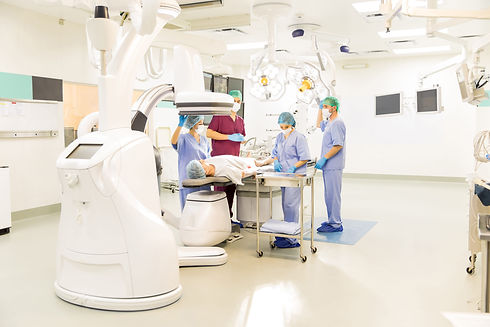
CareUno partners exclusively with internationally accredited hospitals in South Asia, regions home to some of the world’s highest-volume elective surgery centers. Partner hospitals hold Joint Commission International accreditation, the same institutional standard applied to more than 1,000 hospitals across over 70 countries serving multinational insurers and global employer programs.
These institutions deliver standardized elective procedures, including orthopedic reconstruction, cardiac intervention, bariatric surgery, and spine procedures, within defined episode pricing and documentation frameworks compatible with U.S. employer-sponsored plan requirements.
Outcome: Episode costs 40 to 65 percent below U.S. network benchmarks at JCI-accredited facilities with equivalent or superior surgical volume and outcomes

Fixed-Price Episodes
Every CareUno case is structured under a defined, all-inclusive episode price established before the member travels. This covers the surgical procedure, facility fees, anesthesia, post-operative recovery, and discharge documentation, with zero post-service billing ambiguity.
For self-funded plans, a high-cost elective case that might generate $80,000 to $150,000 in domestic claims exposure becomes a defined, pre-approved spend item.
Outcome: 100 percent of episode cost is known before care begins. Zero surprise billing. Full claims documentation provided at discharge
Coordinated Continuity
CareUno supports a structured care transition from surgery through the member’s return, including continuity-ready medical records formatted to U.S. standards, follow-up coordination with the member’s domestic provider, and structured 30, 60, and 90 day post-procedure check-ins.
This is not medical tourism. It is an employer-grade care channel designed to meet the documentation, oversight, and liability standards required by self-funded plan sponsors.
Outcome: Structured post-surgical follow-up reduces complication flags and supports clean claim closure. Employer confidence is built into the pathway design.

Strategic Advantages for Employer Health Plans
Reduces total healthcare spend
Improves leverage in cost negotiations
Diversifies care access channels
Strengthens cost predictability